
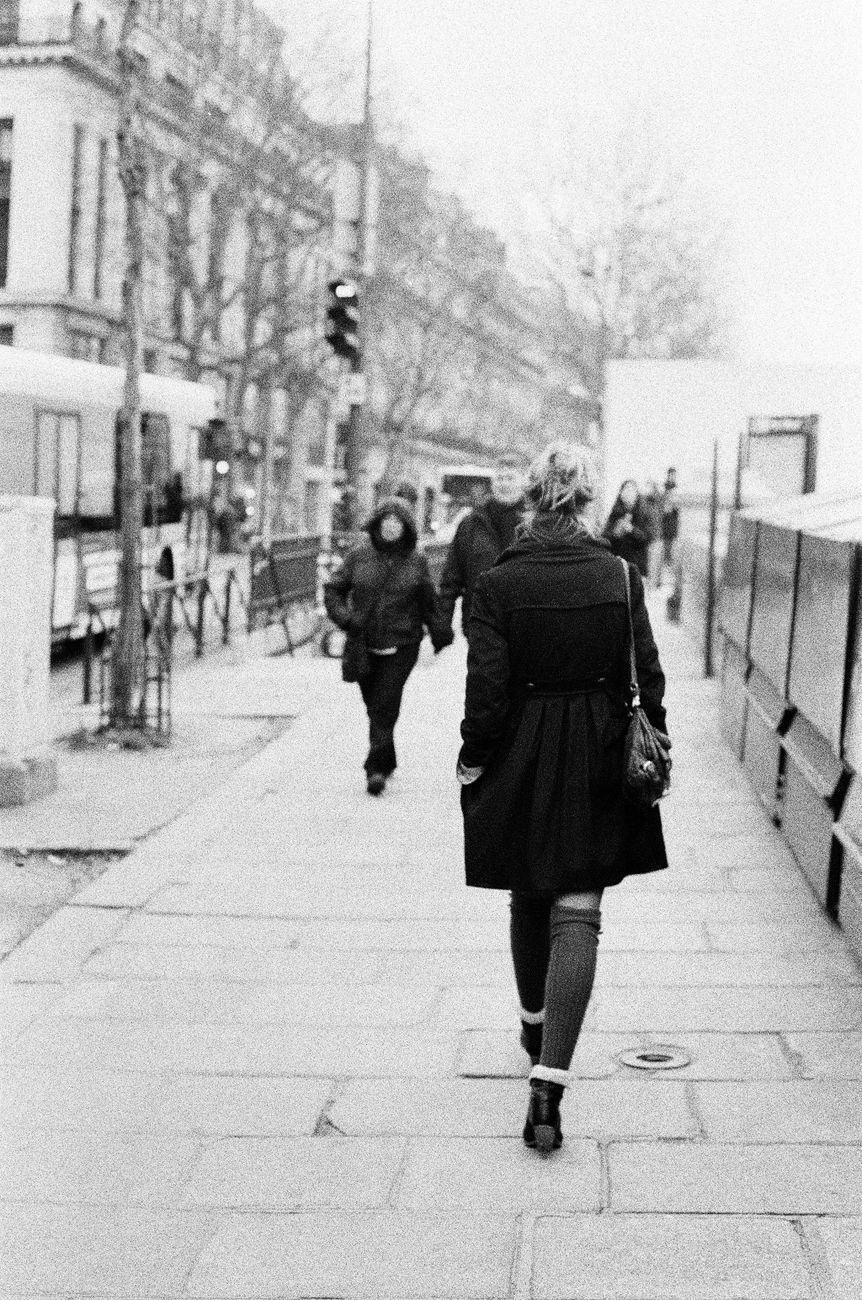
Being in Sweden has resulted in a skyrocketing step count. However, no matter where I go, the locals pass me with ease. I attempt to match their pace and stride, with little success. How do Swedish people walk so fast?
The answer is lifestyle. You may assume that I’m going to say that Americans are too sedentary but it doesn’t come down to a simple and unfair stereotype. Americans are known for heading to the gym, crushing it in exercise classes and joining yoga studios. However, unless you live in the city, we are lacking the infrastructure of accessible walking and bike paths. This has never been so obvious as it is to me today. Our destinations are far apart. We live in a large country with grocery stores, hair salons, offices and our friends’ homes in different directions. We don’t have many city centers in most towns. Have I walked to the coffee shop down the street? Yes. But when I had to then go to a clothing store or a hair salon, it was often six miles in the other direction.
That’s different here. People often walk or bike to and from work every day, even in the snowy winter. They incorporate movement into their commutes. So the answer to the question “How do Swedish people walk so fast,” is embedded in decades of daily movement, accessible paths and compact town planning.
I’ve been walking dogs for fourteen years but that’s more like meandering. This is not purpose-driven walking that conditions your muscles. I frequently walked miles outside, but I didn’t focus on pace, I focused on distance. In Sweden, people are getting from one place to another in as little time as possible. They are on a mission.
My experiences here have led me down a rabbit hole focused on longevity. I walked to the bookstore and purchased the book Ikigai, The Japanese Secret to a Long and Happy Life. Ikigai describes a purpose-driven life but even more relevant is the importance of movement. The authors write, “Studies from the Blue Zones suggest that the people who live longest are not the ones who do the most exercise but rather the ones who move the most.”
Maybe there is some truth in my inability to keep up. Structured exercise and habitual movement aren’t the same thing. If one works out at the gym in the morning but then sits all day, there’s a lack of movement. I’ve observed that in Sweden, they’re able to incorporate more movement into their lives through commutes, errands and visiting friends.
A couple of weeks ago I wrote about how I’ve found a bigger life in a smaller town. And every day, I’m learning why my world is expanding in ways I’ve never imagined. By letting go of what was comfortable, I’ve made space for my heart to grow. Today that includes incorporating walking as a mode of transportation. After all, biking didn’t quite work out the way I had planned!
Swedes are onto something. People move more and from what I’ve observed, give themselves permission to enjoy living. I’m learning to do the same.
One of the Okinawa residents interviewed in Ikigai suggested worrying less. Isn’t that tied to the concept of living in the present? Letting go of things that are not in our control? Nature is also discussed in the book and I can draw a direct parallel to my walks in Sweden.
In my opinion, water is healing as is a gentle breeze on a sunny day. Even a light rain on my skin can make me feel more alive. And when you’re commuting, passing over bridges with the river flowing beneath you or watching the pine trees reach to the sky, something special happens inside of your heart.
You feel grateful to be alive.


Leave a Reply